
Behavioral Finance: Why People Make Irrational Money Decisions
When you buy a stock because everyone’s talking about it—or sell in a panic after a 5% drop—you’re not being logical. You’re being human. That’s where behavioral finance, the study of how psychology affects financial decisions. It’s not about numbers on a chart. It’s about fear, greed, overconfidence, and the stubborn belief that you can beat the market—even when the data says otherwise. This field doesn’t assume people are rational. It knows we’re messy, emotional, and often our own worst financial advisors.
Think about trading psychology, how emotions drive buying and selling behavior in markets. Most traders lose money not because they don’t know how to read charts, but because they hold onto losing stocks too long, hoping they’ll bounce back. That’s called the disposition effect. Or maybe you chase hot stocks after they’ve already jumped 50%, convinced you’re catching the next big thing. That’s herd behavior. These aren’t mistakes—they’re predictable patterns, studied for decades. And they show up in every market crash, bubble, and rally.
Then there’s cognitive biases, mental shortcuts that lead to systematic errors in judgment. Confirmation bias? You only notice news that supports your opinion. Loss aversion? Losing $100 hurts twice as much as gaining $100 feels good. Anchoring? You fixate on the price you bought at, ignoring the current value. These aren’t abstract ideas. They’re the hidden forces behind your worst trades. And they’re why so many people follow advice like "buy and hold"—not because it’s magic, but because it fights back against their own impulses.
Behavioral finance doesn’t tell you what to trade. It tells you why you’re trading wrong. The best investors aren’t the smartest or the most informed. They’re the ones who know their own minds best. They pause before acting. They write down why they’re making a move. They accept that their gut feeling is often wrong. And they build systems—checklists, rules, automated trades—to stop themselves from blowing up their accounts.
What you’ll find below isn’t a list of stock picks or trading signals. It’s a collection of real, practical guides that cut through the noise. You’ll see how to spot your own emotional traps, how to build discipline when the market is screaming, and how to make decisions based on facts—not fear or FOMO. These posts don’t assume you’re an expert. They assume you’re human. And that’s exactly where you start winning.
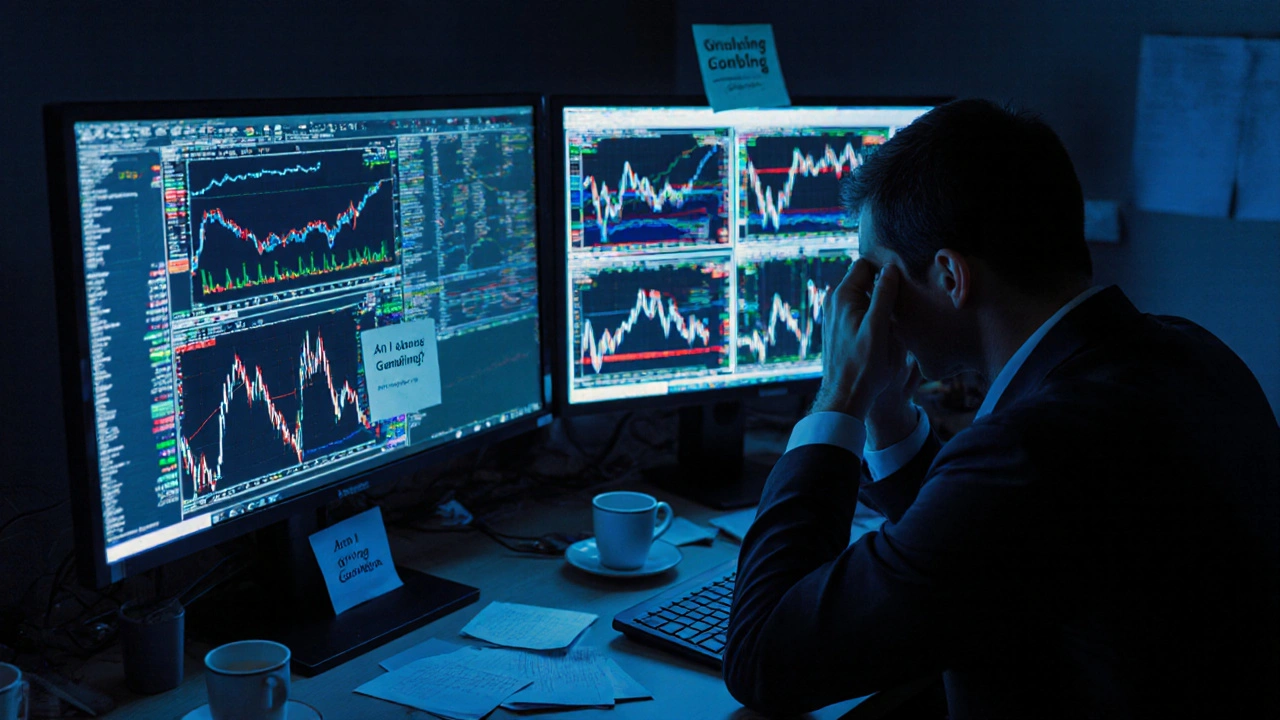
The Psychology Behind Successful Stock Trading
- Lorcan Sterling
- 12 Comments
Successful stock trading isn't about technical analysis-it's about controlling your emotions. Learn how fear, greed, and overconfidence ruin traders, and what the pros do differently to stay disciplined.
Read more